
About Us
This group was started by university faculty and graduate students with an appreciation of the impact that mental health messaging can have on campaign and intervention success. The right message can inspire help-seeking behavior and reduce stigma; the wrong message can cause harm.
Mission
Persuading people to change their thoughts and actions is difficult in any context; doing so in the realm of mental illness is an arduous challenge. The same thought processes and schemas that are part and parcel of many mental illnesses are also responsible for processing mental health messages. This reality requires mental health messaging to be developed with an understanding of both the clinical processes associated with the illness and persuasive techniques that avoid the barriers clinical scholars have identified. Communication scholars are needed to maximize the path from persuasive technique to a completed message. Practitioners are needed as partners every step of the way and as leaders in implementation.
Goal of the forum
The goal of the forum is to bring together mental health scholars and practitioners who understand the role mental health messaging plays in campaign and intervention success.
Leadership/Team
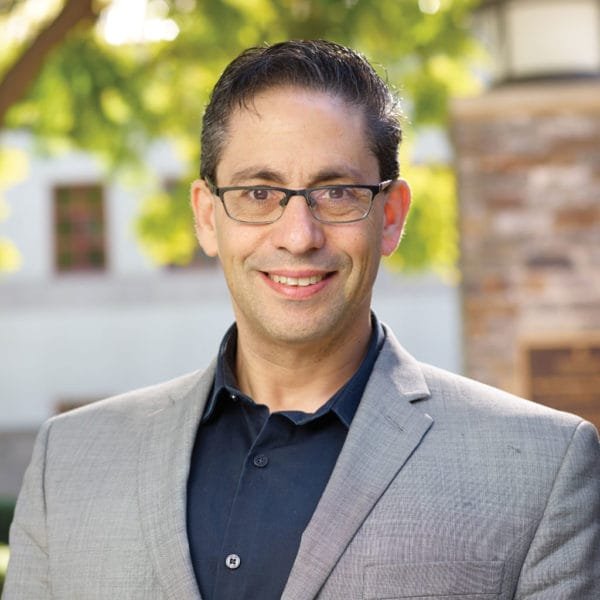
Jason T. Siegel is a professor of psychology in Claremont Graduate University’s Division of Behavioral & Organizational Sciences. In addition to being the director of the Depression and Persuasion Research Lab, he is also the director of the Survey Design Lab and the Institute for Health Psychology & Prevention Science co-director.
Siegel’s research focuses on the social psychology of health behavior change. He utilizes persuasion, motivation, and emotion theories to develop approaches for maximizing the success of health campaigns and interventions. Accordingly, he has designed, implemented, and evaluated numerous efforts to increase various populations' health and well-being. Siegel’s most common areas of investigation include depression, organ donation, and substance abuse.
He was the 2014 recipient of the Western Psychological Association Early Career Research Award, was nominated for and accepted into the Society of Experimental Social Psychology in 2015, and was named the inaugural winner of the Claremont Graduate University Presidential Research Award for outstanding contributions to new knowledge in 2018. Dr. Siegel also received the 2019 Western Psychological Association Social Responsibility Award.
Siegel's research has been published in journals including Social Science and Medicine, Health Psychology, Clinical Psychological Science, and Journal of Applied Social Psychology. He has received funding from organizations such as the US Department of Health and Human Services, the National Institutes on Drug Abuse, the Bill and Melinda Gates Foundation, and the Department of Labor. Moreover, he has accepted invitations to give seminars on research methodology for organizations such as NBC/Universal, the Centers for Disease Control, and the American Evaluation Association.

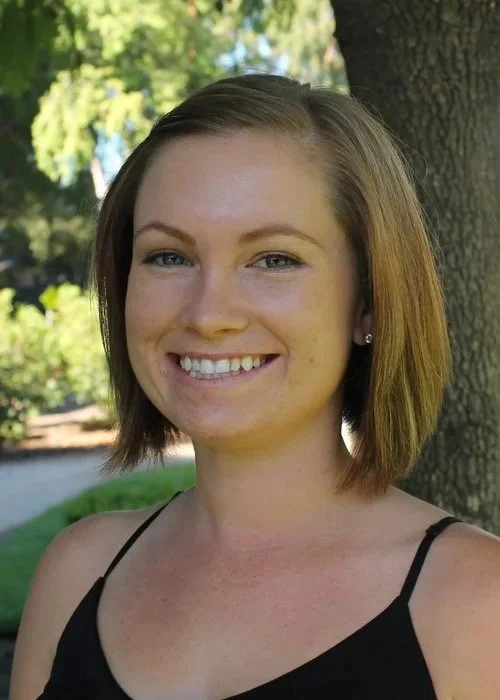

Kate is a dual-degree MPH and Ph.D. student at CGU studying applied social psychology with a focus on help-seeking in diverse populations and public health. Her research interests include applying social influence theories to address various mental health challenges, promote help-seeking, and develop community mental health interventions for underserved populations. Within the lab, she is currently working on projects on mental health stigma reduction and help-seeking behaviors. Through this work, she aims to bridge psychological theory and public health strategies to promote equity in mental health care.
Rachelle (Shelly) Webb is a doctoral student at Claremont Graduate University. Her research focuses on mental health communication, stigma, and help-seeking behaviors, with a particular interest in how beliefs about depression shape willingness to seek help and offer support. Her past experiences supporting mental health education have included volunteering for the suicide prevention hotline at Didi Hirsch Mental Health Services, programming for universities and community mental health agencies, and presenting for NAMI’s In Our Own Voices. She is also a certified Mental Health First Aid instructor and Associate Professor for Riverside Community College District.
Noel is a PhD student applying theories of persuasion to increase help-seeking behavior among individuals with depression. He is currently conducting his thesis research project, which applies prospect theory to increase help-seeking attitudes, intentions, and behavior among individuals with heightened depressive symptomatology. Specifically, how the role of help-seeking outcome expectations moderates the effectiveness of gain-framed and loss-framed messages. In addition, he is also a master’s of public health student focused on epidemiology and applied biostatistics. He is currently a graduate research assistant on a Department of Defense grant aimed at developing a help-seeking intervention for active service members. He has also been a graduate teaching assistant for research methods. Noel is interested in pursuing a career in academia.